Amazon Basics vs Traditional Brands: The Complete Buying Guide (2026)
Should you buy Amazon Basics or stick with name brands? Our honest guide breaks down quality, price, and when each wins. Updated March 2026.
Disclosure: This post contains affiliate links. If you purchase through these links, PapaCasper earns a small commission at no extra cost to you. We only recommend products we'd actually use.
Amazon Basics vs Traditional Brands: The Complete Buying Guide (2026)
The question comes up every time you're shopping on Amazon: Is the Amazon Basics version worth it, or should you pay extra for the brand you know? The honest answer is: it depends. And that's what this guide is here to untangle.
Table of Contents
- What to Look For When Choosing Between Amazon Basics and Name Brands
- Budget Breakdown: What You Get at Different Price Points
- Top Picks by Use Case
- Common Mistakes to Avoid
- Frequently Asked Questions
- The Bottom Line
We've spent months comparing Amazon's house brand against traditional competitors across dozens of categories—from toilet paper to kitchen gadgets to office supplies. What we found might surprise you: sometimes Amazon Basics is genuinely better. Sometimes it's a false economy. And sometimes it doesn't matter at all. This guide will teach you how to tell the difference, so you stop second-guessing yourself at checkout.
What to Look For When Choosing Between Amazon Basics and Name Brands
The real decision-making framework doesn't come down to brand loyalty or blind trust in "no-name" products. It's about understanding what actually matters for each specific product category. Let's break that down.
Quality and Durability Tiers
Amazon Basics products aren't all created equal. Some categories—like basics you'll replace often—are genuinely solid. Other categories require more caution. The key is understanding what "good enough" means for your use case. For consumables (toilet paper, paper towels, batteries), a small quality drop might be acceptable if the price difference is significant. For durables (phone chargers, storage bins, kitchen tools), durability matters more because you're betting on months or years of performance.
A practical test: if you'd buy the product three times a year anyway, the risk is lower. If you're hoping it lasts five years, you need more confidence in the build quality. That's not a knock against Amazon Basics—it's just honesty about the trade-off.
Material and Component Sourcing
This is where the research gets real. Amazon Basics items are manufactured by third parties (often the same factories that make name-brand products), but cost-cutting usually happens in materials, not just marketing. A cheaper iPhone charger might have thinner copper in the cables. Budget kitchen knives might skip the proper tempering process. Reading the specifications and comparing materials side-by-side reveals a lot.
Look for specifics: Is the plastic polypropylene or recycled? Is the metal stainless steel or coated aluminum? How many ply is the paper product? These details usually show up in the product descriptions, and they're your best window into what you're actually getting.
Return Policy and Recourse
Here's an underrated advantage of Amazon Basics: Amazon's return policy is usually more forgiving than going directly to a traditional brand. If a product fails or disappoints, Amazon will refund you without much friction. That's a real safety net. Many name-brand manufacturers have stricter return windows or require you to jump through hoops. This doesn't make a cheap product good, but it does reduce your risk.
Ecosystem and Compatibility
For certain categories—like storage bins, kitchen gadgets, or tech accessories—buying within the same product line matters. Amazon Basics storage solutions work well together. But if you're mixing and matching with existing items in your home, compatibility becomes crucial. A cheaper trash can might not fit your cabinet space. A budget charging cable might not work with your specific device. Always verify fit before committing to savings.
The Price-Performance Sweet Spot
Amazon Basics prices aren't always lower than traditional brands, especially during sales. A traditional brand on a 30% discount might beat Amazon Basics on both price and quality. The smartest shoppers track prices over time and buy whichever option offers the best value at that moment—not whichever brand is on the shelf.
Budget Breakdown: What You Get at Different Price Points
$0–$15 Range
This is where Amazon Basics shines brightest. Basic consumables, small accessories, and simple office supplies tend to have less quality variance at this price level. A $3 pack of USB cables or $8 toilet paper bundle is a lower-stakes decision. If it underperforms, the loss is small. Brand name products in this range are often just padding the marketing budget, not delivering better performance. At this tier, Amazon Basics is usually the smarter choice.
$15–$50 Range
This is the danger zone. You're spending enough that quality starts mattering, but not so much that the name-brand price difference is trivial. A $25 set of kitchen knives or $40 storage system could last years or fail in months depending on materials. This is where you need to do the comparison work: read the specs, check ratings on both sides, and look for genuine differences. Sometimes Amazon Basics wins. Sometimes it's worth paying $15 more for the trusted brand. There's no universal answer.
$50–$150 Range
At this price point, you're usually better off comparing specific features and warranty terms rather than defaulting to either Amazon Basics or a name brand. A $120 name-brand blender might come with a 7-year warranty. A $95 Amazon Basics alternative might have the same motor but no warranty. The math changes depending on how much risk you're willing to accept. This is where PapaCasper's product-by-product research becomes valuable—because there's no one answer.
$150+ Range
At premium price points, you're usually better off sticking with established brands that have dedicated customer service, real warranty support, and a track record of standing behind their products. Amazon Basics rarely competes in this tier anyway. When it does, the question shifts to: Is this a special case where a budget option genuinely outperforms? The answer is rarely yes at these price points.
Top Picks by Use Case
Consumables & Paper Products: Amazon Basics Usually Wins
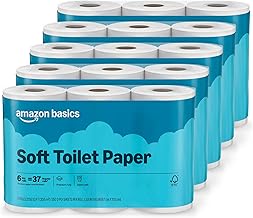
Amazon Basics 2-Ply Soft Toilet Paper, 30 Rolls ($25.21 at time of writing) is our top example of where Amazon Basics legitimately delivers. At 4.4 stars with 100,000+ reviews in the past month, this proves consumers are voting with their wallets. You get 350 sheets per roll, septic-safe construction, and a price point that rivals or beats traditional brands even during their sales. For consumables you repurchase monthly, this is exactly the right play. The quality is solid, and the savings add up across the year.
Guides & Educational Content: Free or Low-Cost Alternatives
If you're interested in understanding Amazon's ecosystem better before making shopping decisions, resources like How to Use Amazon "Buy with Prime" ($0.00) and How to Find the Best Deals on Amazon ($0.00) are solid free reads. They won't revolutionize your shopping, but they'll teach you Prime benefits and deal-hunting tactics. For folks serious about selling on Amazon or optimizing their purchasing, guides like Amazon FBA: Complete Guide ($9.99) and Selling on Amazon For Dummies ($17.49) provide legitimate insights at reasonable prices.
Pro Tip on Amazon Prime Savings
Before you decide between Amazon Basics and other brands, make sure you're maximizing your Prime membership. Free two-day (or faster) shipping changes the value equation entirely—especially when comparing to traditional brands from other retailers. If you're not already a Prime member, Amazon offers a free trial that lets you test whether the shipping speed justifies the membership cost. That trial alone might save you money when you factor in avoided shipping fees from alternative retailers.
Smart Shopping Guides for Value-Conscious Buyers
How to Find the Best Deals on Amazon and How to Use Amazon Buy with Prime are both free resources that teach you to spot real deals versus false discounts. When you understand how Amazon's pricing works, you can make better decisions about whether Amazon Basics is actually cheaper or just positioned that way.
Common Mistakes to Avoid
- Assuming Amazon Basics is always cheaper. During Prime Day or brand sales, traditional products often drop below Amazon Basics pricing. Track prices over time, don't assume the first price you see is the best deal.
- Ignoring specifications in favor of brand familiarity. A name brand product isn't automatically better. Read the actual specs—material type, weight, dimensions, certifications. Sometimes budget products win on paper. Sometimes they lose badly. The specs tell you which.
- Buying durables based solely on current price. A $30 kitchen knife that lasts two years costs $15/year. A $50 knife that lasts 10 years costs $5/year. For products you'll keep long-term, cost-per-year-of-use is more relevant than sticker price.
- Skipping the reviews because "they're just opinions." Aggregated reviews are data. When 10,000 people say a charger overheats, that's a real signal. When a product has only 200 reviews, you have less confidence in the pattern. Review volume and sentiment together tell you something important.
- Not reading return policies before buying cheap alternatives. Amazon's return policy is generous, but other retailers and brands have different rules. Know what happens if the product fails before you commit to the cheaper option.
Frequently Asked Questions
Q: Is Amazon Basics the same quality as name brands?
A: Not consistently. Some Amazon Basics products are genuinely equal or better than name brands in the same price range. Others are noticeably cheaper in quality. The comparison needs to happen product-by-product, not brand-by-brand. The toilet paper example above? Solid. A budget phone charger? Riskier. Context matters.
Q: When should I definitely buy the name brand instead?
A: If it's something that fails and creates bigger problems (electrical items with safety concerns, items affecting food safety, anything you'll rely on daily for years), name brands with warranty support are usually worth the premium. If it's a consumable or replacement part, Amazon Basics is often fine. If it's an item where safety or reliability is critical, don't cheap out.
Q: How much should I expect to save with Amazon Basics?
A: Savings range from 10% to 50% depending on the category and the specific competitor. Consumables (toilet paper, paper towels) typically offer 20–40% savings. Durables vary wildly—sometimes 10%, sometimes Amazon Basics costs the same as traditional brands. Price-compare specific products rather than assuming a percentage.
Q: Are Amazon Basics products made in the same factories as name brands?
A: Often, yes—but with different specs and materials. The factory is only part of the equation. A name-brand company might specify premium materials or stricter quality control than a budget alternative made in the same facility. It's possible to have the same manufacturer but meaningfully different products.
Q: Should I buy based on reviews alone?
A: Reviews are a useful signal, but context matters. A 4.2-star product with 500 reviews is more reliable data than a 4.8-star product with 40 reviews. Read a few detailed reviews (both positive and negative) to understand what people actually experienced. Look for patterns, not individual complaints.
The Bottom Line
Amazon Basics isn't secretly better than everything else, and it's not a trap either. It's a value option that sometimes delivers genuine value and sometimes represents false economy. The difference depends on what you're buying and what you need from that product.
Our recommendation for most buyers: Use this decision framework—not blind brand loyalty or reflexive distrust of house brands. For consumables, Amazon Basics usually wins. For durables with safety implications, stick with established brands. For everything in between, compare the actual specs and read the actual reviews instead of guessing.
The smartest shoppers aren't the ones who always buy the cheapest option or always buy the name brand. They're the ones who understand the specific trade-off for each purchase and choose accordingly. That's what this guide is designed to help you do.
Start with the consumables. That's where the risk is lowest and the savings are real. Then, as you get comfortable with the comparison process, expand to other categories. Over time, you'll develop instincts about which products are worth the premium and which ones aren't.
By the PapaCasper editorial team — Updated March 2026