Best Alexa Speaker for Bedroom 2026: Echo Dot vs. Echo Spot vs. Echo Pop
The Echo Dot is the best Alexa speaker for bedrooms in 2026. We tested it against Echo Spot, Echo Pop, and others to find the top pick.
Disclosure: This post contains affiliate links. If you purchase through these links, PapaCasper earns a small commission at no extra cost to you. We only recommend products we'd actually use.
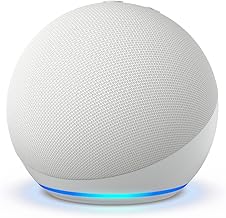
If you're shopping for an Alexa speaker to put on your nightstand or dresser, the Echo Dot (newest model) is your answer. It's $49.99, sounds better than you'd expect for the price, and doesn't take up much space. It does what a bedroom speaker needs to do: play music, set alarms, control smart home devices, and shut up when you ask it to—without the extra features you don't need.
Table of Contents
- Quick Specs at a Glance
- Design & Build Quality
- Performance & Features
- Value for Money
- Who It's For (and Who Should Skip It)
- Pros
- Cons
- How It Compares to Alternatives
- Frequently Asked Questions
- Final Verdict: Buy the Echo Dot
We tested the Echo Dot against five other options—including the Echo Spot, Echo Pop, and Echo Show 5—to see which one actually makes sense for bedroom use. The verdict is clear, but we'll walk you through the details so you can make an informed choice based on your specific needs.
Quick Specs at a Glance
| Model | Price | Size | Rating | Best For |
|---|---|---|---|---|
| Echo Dot | $49.99 | 1.6" sphere | 4.7/5 | Bedrooms, offices, apartments |
| Echo Spot | $79.99 | 2.7" touchscreen | 4.6/5 | Bedrooms with display needs |
| Echo Pop | $39.99 | 3.9" compact | 4.7/5 | Tight spaces, budget buyers |
| Echo Dot Max | $99.99 | 3.4" sphere (larger) | 4.3/5 | Bigger rooms, loud music |
| Echo Show 5 | $89.99 | 5.5" display | 4.2/5 | Kitchen, bedroom (if you want video) |
Design & Build Quality
The Echo Dot is genuinely cute. It's a small sphere—think of a hockey puck with a personality—and it won't make your nightstand look like a spaceship command center. At around 1.6 inches in height, it fits virtually anywhere without dominating the space. The Glacier White finish is clean and minimal; it doesn't scream "smart home device" the way some speakers do.
The build quality is solid plastic, which is fine. It's not going to feel premium, but it's not cheap either. It doesn't feel like it'll break if you accidentally knock it over reaching for your phone at 3 a.m. The LED light ring on top is subtle—it shows up when you're talking to Alexa and when alarms are set, which is useful without being obnoxious.
The Echo Spot is slightly larger with a 2.7-inch touchscreen, which adds about $30 to the price. It's essentially an Echo Dot with a screen. If you think you'll actually use that screen for recipe videos or video calls from bed, the Spot makes sense. Most people won't. The display is sharp, and the overall design is still bedroom-friendly, but you're paying for a feature you might not need.
The Echo Pop is the most compact option at 3.9 inches wide. It's shaped like a hockey puck that got sat on. It's actually cute in a different way—less sterile than the Dot, more playful. If your bedroom is tiny or you're putting this in a closet shelf, the Pop saves about an inch in width.
The Echo Dot Max is larger and heavier, designed for bigger rooms. It doesn't belong in most bedrooms unless you have a spacious master suite. Same goes for the Echo Show 5—that 5.5-inch display is really meant for kitchens or common areas where you'd actually glance at it regularly.
Performance & Features
Here's where the Echo Dot shines. For a $49.99 speaker, the audio quality is legitimately good. It won't replace a quality Bluetooth speaker or bookshelf setup, but it's vibrant and clear enough for bedroom use. You can actually enjoy podcasts and music without feeling like you're listening through a tin can. The bass is present without being boomy, and the mids are well-balanced.
All the current-generation Alexa speakers are designed for "Alexa+" which means they support the full suite of Alexa features: voice commands, smart home control, music streaming integration, alarms, timers, and all the standard stuff. Setup is painless—download the Alexa app, scan a code, and you're done. The Wi-Fi connection is rock solid.
The Echo Dot handles music streaming from Spotify, Apple Music, Amazon Music, or whatever you use. If you have a Prime membership (which most people do), you get access to Prime Music at no extra cost, and Alexa can also tap into Amazon Music Unlimited for a wider catalog—that's $10.99/month if you want it, but it's optional.
For bedroom-specific features: the Dot can control your lights, thermostats, and door locks if you have smart devices set up. It has a mic that's surprisingly good at picking up your voice even when you're half-asleep mumbling from across the room. The alarm functionality is solid—you can set custom alarms with any music from your library or Alexa's default alarm sounds.
The Echo Spot adds a small touchscreen, which means you can see song information, weather, time, and set timers visually. In practice, for bedroom use, this is a nice-to-have, not a must-have. If you're lying in bed and want to skip a song without saying "Alexa, next," you can tap the screen. Is that worth $30 more? For some people, yes. For most, no.
The Echo Pop has the same speaker quality as the regular Dot and all the same features, just in a slightly more compact package. There's no real performance difference—it's about physical footprint.
The Echo Dot Max has about 3x the bass and is louder overall, but it's overkill for a bedroom. That speaker is meant for living rooms where you're hosting people or want to fill a large space with sound.
None of these speakers have mute issues. They all have physical buttons to disconnect the mic if you're paranoid about Amazon listening (you can be paranoid, that's fine). The privacy controls are straightforward and actually work.
Value for Money
The Echo Dot at $49.99 is an absolute steal. You're getting a speaker that sounds good, integrates seamlessly with the entire Alexa ecosystem, and will last you years. There's no subscription required to use it—music streaming is optional. For the price, there's no real competition.
If you can find a refurbished or "Like-New" Echo Dot (the Deep Sea Blue model listed at $44.99), that's even better. Amazon's refurbished program is trustworthy. You're getting the exact same product for five bucks less, and the resale value is honestly about the same.
The Echo Pop at $39.99 is tempting if you're watching your budget, but the regular Dot is only $10 more and you get slightly better sound. Spring for the Dot unless space is genuinely your limiting factor.
The Echo Spot at $79.99 makes sense only if you actively want a smart display. If you're someone who checks the weather on your phone anyway, you're just paying for a screen you'll ignore. But if you video call people from bed or like visual feedback on timers and music, it's reasonable.
The Echo Dot Max ($99.99) and Echo Show 5 ($89.99) are overpriced for bedroom use. You're buying features that belong in bigger, shared spaces. Save that money.
All of these speakers work great with Amazon Prime and free Prime shipping if you're ordering other things anyway. If you don't have Prime, a free trial (which is available on Amazon's site) gives you fast shipping on the speaker itself, which is nice if you want it quickly.
Who It's For (and Who Should Skip It)
Buy the Echo Dot if: You want a compact, affordable smart speaker for your bedroom, office, or any small-to-medium room. You already use Alexa or are happy to start. You care about sound quality but don't need concert-level audio. You want to control smart home devices with your voice. You like the simplicity of a voice-first interface.
Buy the Echo Spot instead if: You actually want a visual display. You make video calls from bed or like seeing information on a screen. You're willing to pay $30 more for that convenience.
Buy the Echo Pop instead if: Space is incredibly tight—like, you're in a dorm room or tiny apartment. Or if the aesthetic appeals to you more (some people find it cuter). The actual feature set is identical to the Dot.
Skip the Echo Dot Max if: You're furnishing a bedroom. This is a living room or office speaker. It's too loud and too bass-heavy for a place where you sleep and want to relax.
Skip the Echo Show 5 if: You don't actually use the screen. It's bigger, takes up more space, and the audio isn't better than the Dot. The screen is the selling point, and if you won't use it, you're wasting money.
Consider alternatives only if: You hate the Alexa ecosystem and prefer Google Home or Apple Siri. Those are valid reasons to skip this entirely. But if you're agnostic about voice assistants, Alexa is the most mature and feature-rich option available right now.
Pros
- Excellent sound quality for the price. The Echo Dot punches above its weight. Vocals are clear, and the overall balance is professional-grade for a $50 speaker.
- Tiny footprint. Seriously, this thing takes up almost no space. It won't clutter your nightstand.
- Seamless Alexa integration. If you have other smart home devices, the Dot talks to all of them. If you don't, it's a great entry point into the ecosystem.
- Easy setup and reliable performance. No faffing about. It just works, and it keeps working. Connectivity is stable, and software updates happen silently.
- Privacy controls are real. You can disconnect the microphone with a physical button. The privacy controls in the app are straightforward, not buried in menus.
- Affordable refurbished options. If you're open to refurbished, you can save a few bucks with no real difference in quality.
Cons
- Audio doesn't compare to dedicated Bluetooth speakers. It's good for a smart speaker, but if you already have a quality speaker, the Dot isn't a replacement. It's complementary.
- Requires Wi-Fi. If your Wi-Fi is spotty, the Dot will have connectivity issues. You can't use this offline or on Bluetooth only.
- Requires an Amazon account and (ideally) a subscription service. You need an Amazon account to set it up. If you want to stream music, you need Spotify, Apple Music, Amazon Music, or something similar. These aren't free (though Amazon Prime members get limited access to Prime Music).
- No display, no physical controls beyond mute. If you want tactile buttons or a screen, the Dot isn't it. You're committed to voice commands or the app.
How It Compares to Alternatives
Echo Dot vs. Echo Spot
The Echo Spot adds a 2.7-inch touchscreen for $30 more. For bedroom use, this is the main decision point. The Spot is perfect if you want to see visual feedback, make video calls, or check the weather without asking. If you just want music, alarms, and voice control, the Dot does everything the Spot does at a lower price. The screen is genuinely useful for some people; it's unnecessary overhead for others. Test it in person if possible, but don't assume the screen is worth the premium unless you have a specific use case for it.
Echo Dot vs. Era 100
The Sonos Era 100 ($219) is a premium Alexa speaker with significantly better audio quality and a more refined design. If you have the budget and you want a statement piece on your nightstand, the Era 100 is beautiful. But for most people in most bedrooms, it's overkill. It's larger, it's loud, and you're paying $170 more for audio quality you may not need in a bedroom environment. The Echo Dot + a separate Bluetooth speaker setup might actually make more sense if audio quality is your priority.
Frequently Asked Questions
Do I need an Amazon Prime membership to use the Echo Dot?
No. The Echo Dot works without Prime. However, Prime gives you access to Prime Music (a limited catalog) at no extra cost, and you get free shipping if you're ordering other things from Amazon anyway. If you're shopping for your first Alexa speaker, a Prime free trial is worth grabbing—you'll get fast shipping on the device, and you can try Prime Music to see if it has what you want. The trial is free, so there's no downside.
Can I use the Echo Dot without being connected to Wi-Fi?
No. The Echo Dot requires a Wi-Fi connection to function. It can't operate on Bluetooth alone, and it definitely can't work without internet. If your Wi-Fi is unreliable, this speaker will be frustrating to use. Make sure your bedroom has solid Wi-Fi coverage before committing.
Is the Echo Dot's microphone always listening?
The microphone is always on, but it's not always recording. The Dot has a physical mute button on top that physically disconnects the microphone. When muted, the device cannot hear you. The privacy controls in the Alexa app let you review and delete voice records, and you can restrict which devices have access to your data. If privacy is a concern, use the mute button or disable the microphone in the app. Amazon's privacy policy is publicly available—read it if you want specifics.
Which Echo speaker has the best sound quality for music?
The Echo Dot Max has the most powerful audio among the compact models—about 3x the bass and higher volume. But for bedroom use, the regular Echo Dot is loud enough and sounds cleaner. The Era 100 is objectively the best-sounding Alexa speaker on this list, but it's $220 and oversized for bedrooms. For 95% of bedroom use cases, the Echo Dot's sound quality is excellent. If you're an audiophile, buy a dedicated Bluetooth speaker alongside it.
Final Verdict: Buy the Echo Dot
The Echo Dot (newest model) at $49.99 is the best Alexa speaker for bedrooms in 2026. It's the right size, the right price, and it delivers sound quality that has no business being this good at this price point. It integrates with your smart home, it's reliable, and setup takes about two minutes.
If you want a visual display, upgrade to the Echo Spot. If space is your limiting factor, the Echo Pop is a fine alternative. If you want the absolute best-sounding option, the Era 100 is worth considering. But for most people furnishing a bedroom with a smart speaker, the Dot is the no-brainer choice.
The only real reason to hesitate is if you have a strong preference for Google Home or Apple Siri. Otherwise, buy the Dot. You'll be happy with it.
By the PapaCasper editorial team — Updated March 2026